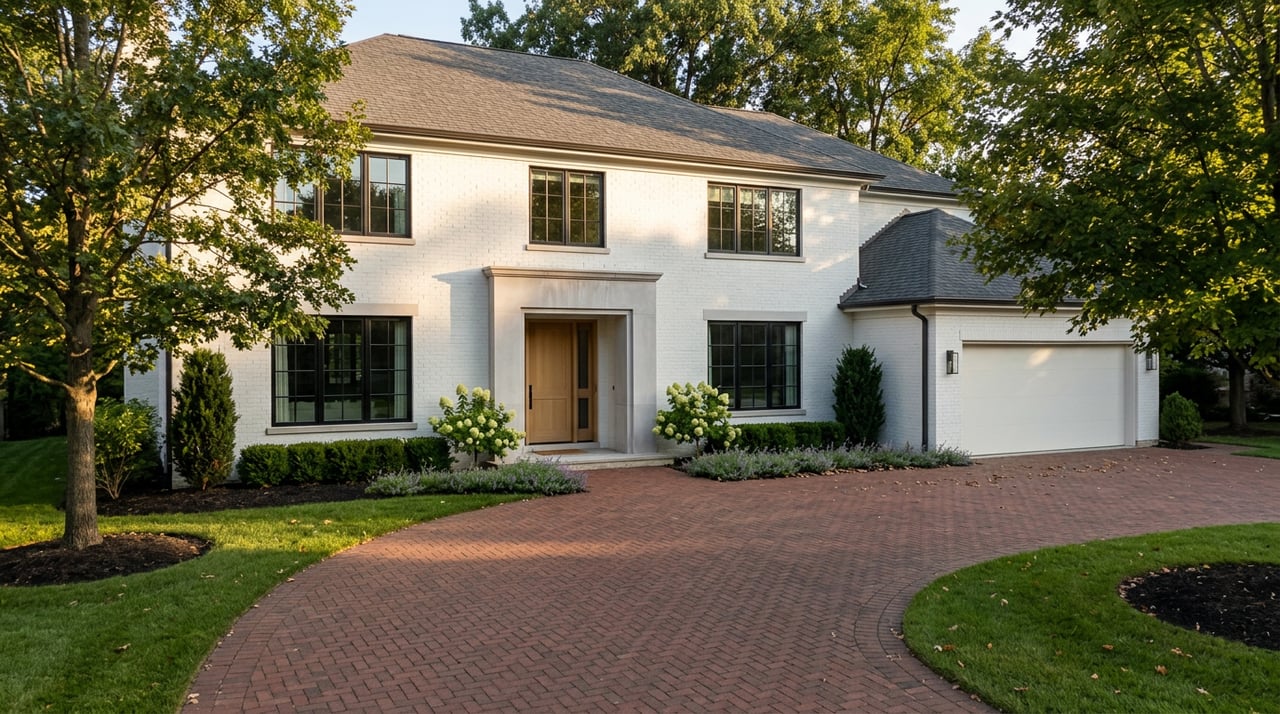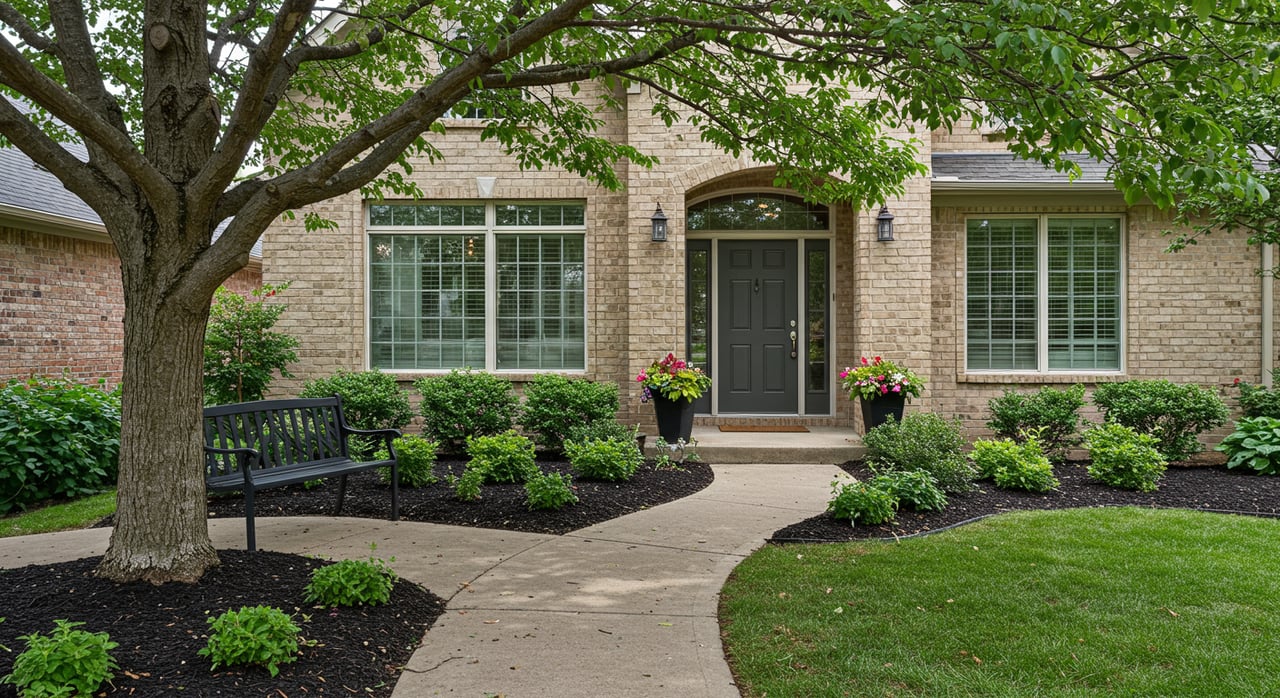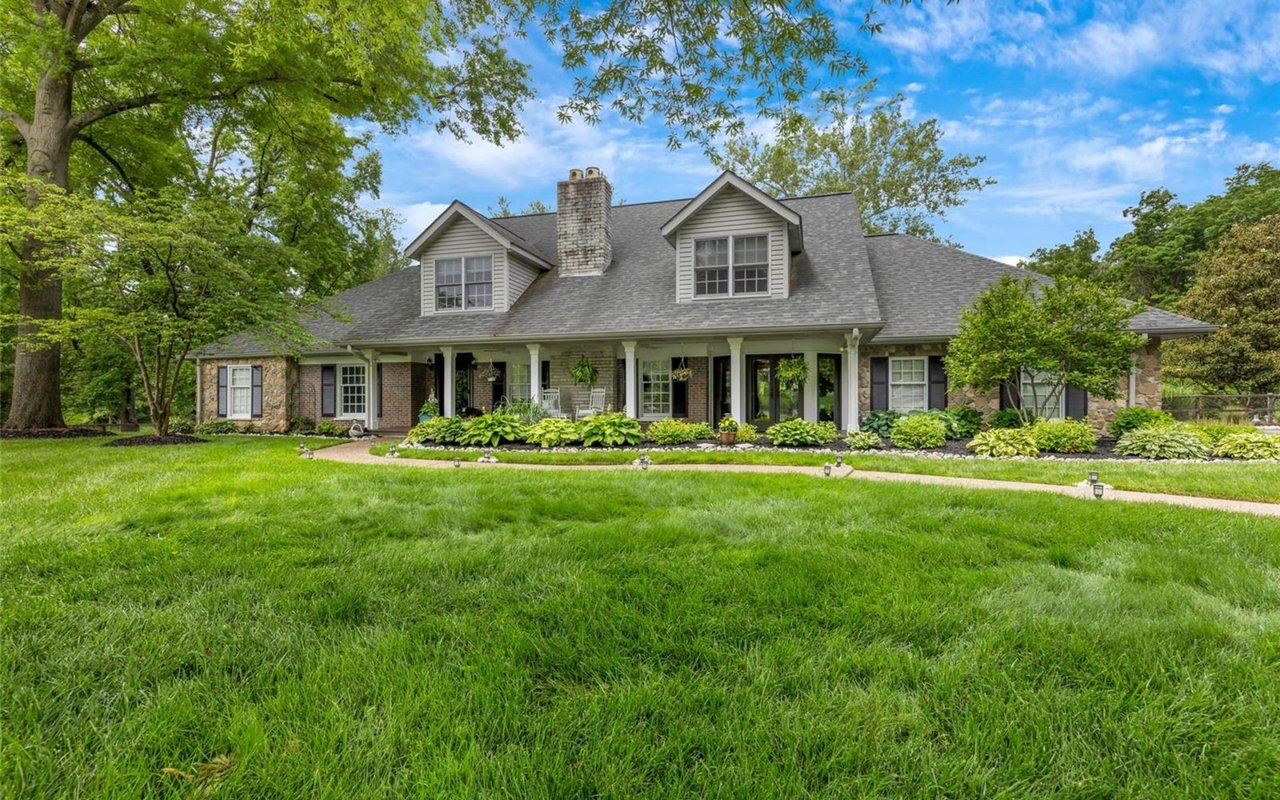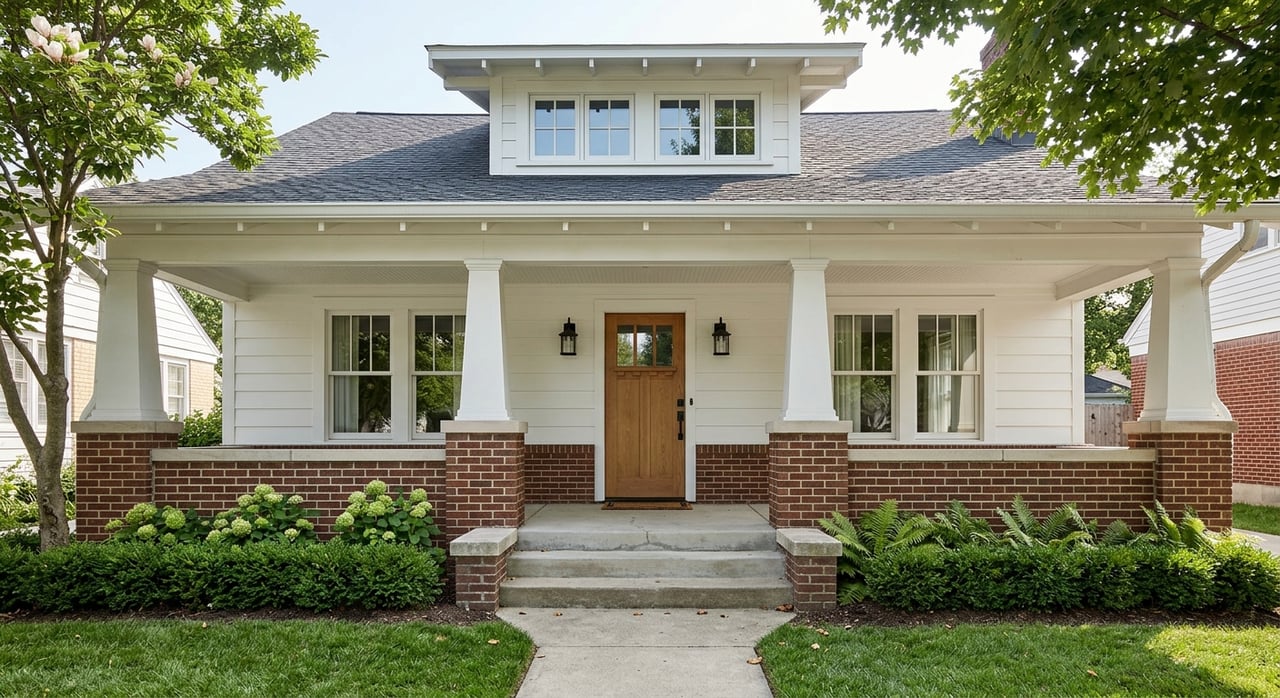
Ever wonder why one street in Kirkwood feels porch-forward and historic, while a drive through Des Peres often brings larger lots and low-slung ranch homes into view? If you are buying, selling, or relocating in this part of St. Louis County, understanding home style can help you make sense of floor plans, renovation potential, and even how a neighborhood looks and feels from the street. Here’s a clear guide to the home styles that define Kirkwood, Webster Groves, and Des Peres, and what those styles can mean for your next move. Let’s dive in.
Why home style matters here
In Kirkwood, Webster Groves, and Des Peres, architecture tells you a lot about how each community developed. These three suburbs share a St. Louis context, but they grew in different eras and that shows up in the housing stock.
Kirkwood was established in 1853 as the first planned residential commuter suburb west of the Mississippi. Webster Groves was incorporated in 1896 and includes homes from the mid-1800s to the present across five historic districts. Des Peres was incorporated in 1934, with residential growth starting in the mid-1920s and accelerating after World War II.
For you as a buyer or seller, that means these communities do not offer the same architectural mix. Kirkwood and Webster Groves tend to show stronger prewar character, while Des Peres more often reflects postwar development, larger lots, and newer replacement homes.
Kirkwood home styles
Kirkwood may have the most layered architectural identity of the three. Its preservation materials point to 85 designated landmarks and nine local historic districts, which helps explain why the city feels varied yet cohesive in many areas.
The key takeaway is simple: there is no single “Kirkwood look.” Instead, you see a timeline of styles that includes early suburban homes, prewar houses, postwar ranches, and even mid-century modern districts.
Bungalows in Kirkwood
One of the most recognizable Kirkwood house types is the bungalow. City design guidelines describe a bungalow as a one- or one-and-a-half-story home with a wide overhanging roof, a deep porch, and a simple interior.
Most Kirkwood bungalows are Craftsman in style. On the street, they often read as compact, porch-centered homes that fit neatly into blocks with consistent setbacks and a strong connection to the sidewalk.
American Foursquares in Kirkwood
Another classic Kirkwood form is the American Foursquare. The city describes it as a 2½-story, boxy house with a simple square or rectangular four-room-over-four-room plan, a large central dormer, and a full-width porch.
Compared with a bungalow, a foursquare usually feels taller, more formal, and more symmetrical. If you are looking for a home with a stronger vertical presence and a traditional footprint, this is one of the styles that often defines older Kirkwood streets.
Ranch and mid-century homes in Kirkwood
Kirkwood is not only about early homes. The city’s guidelines also identify ranch houses as a postwar form, and the preservation record includes mid-century modern districts such as Barrett Brae, Craig Woods, and Sugar Creek Ranch.
That gives Kirkwood a broader style range than many buyers expect. You may find a porch-forward bungalow in one area and a later ranch or modern home in another, sometimes within a short drive.
What buyers should know about Kirkwood streetscapes
Kirkwood’s historic districts generally favor front-facing entries, porch-centered facades, consistent setbacks, and rooflines that echo neighboring homes. This is one reason many blocks feel visually connected even when individual houses differ in size or age.
If you are considering a renovation, context matters here. Demolitions, alterations, additions, and new construction in landmark properties and historic districts require a Certificate of Appropriateness, and the city’s standards focus on compatibility in massing, materials, windows, doors, porch depth, roof shape, and street orientation.
Webster Groves home styles
If Kirkwood feels layered, Webster Groves feels broad. The city describes itself as a community of many historic homes and buildings with a wide variety of architectural styles, and its homes range from the mid-1800s to the present.
For you, that often means Webster Groves is best understood block by block. Some areas lean Victorian, some feature more bungalows, and others mix styles in a way that creates a distinctly eclectic streetscape.
Victorian and Queen Anne homes
Webster Groves’ local walking tour materials describe “The Heart of Webster” as a rich collection of Victorian architecture. They also highlight areas with large, elaborate Queen Anne homes along tree-lined, meandering streets.
These homes often create the grandest historic impression in the three communities covered here. If you are drawn to older architecture with a more ornate presence, Webster Groves is one place where you are more likely to see that style on full display.
Bungalows in Webster Groves
Webster Groves also includes tidy 20th-century bungalows. In practical terms, that means the city is not defined by one era alone.
You can move from a block with larger Victorian or Queen Anne homes to an area where bungalows shape the rhythm of the street. That variety is part of what makes Webster Groves appealing to buyers who want older housing stock without a one-style-fits-all feel.
Eclectic block-by-block character
The city’s preservation and walking-tour materials repeatedly point to a wide variety of architectural styles. Some districts are more cohesive, while others blend ages and forms across a single walk.
For buyers, that means lot settings, setbacks, and visual character can shift noticeably from one part of Webster Groves to another. It is a market where seeing homes in person can be especially important because style and setting are not always easy to sum up from a listing photo alone.
What buyers should know about Webster Groves reviews
Webster Groves has a structured review process for exterior changes. The city’s Architectural Review Board reviews new construction and exterior additions or alterations through the permit process, and historic buildings can face added scrutiny under preservation guidelines.
The city also requires a Certificate of Appropriateness to demolish or relocate a historic landmark or a building in a historic district. For a buyer, that means renovation plans may need to fit not just your vision, but also the architectural context of the property.
Des Peres home styles
Des Peres stands apart from Kirkwood and Webster Groves because its residential story is more postwar and more redevelopment-oriented. The city says residential development began in the mid-1920s and then expanded rapidly after World War II, followed by later subdivisions and ongoing redevelopment.
If you are trying to picture the Des Peres housing market, think less about preserved prewar streetscapes and more about ranch homes, larger lots, and newer custom or replacement houses.
Ranch homes in Des Peres
The city’s comprehensive plan describes older residential areas where much of the housing was built in the 1950s and early 1960s. It specifically notes Harwood Hills as an area characterized by ranch-style homes on large lots.
That ranch profile gives Des Peres a different visual rhythm from bungalow-heavy or Victorian streets. Homes often feel lower, broader, and more spread out on their sites.
Larger-lot subdivision housing
Des Peres also includes neighborhoods such as Berkley Manor, which the city describes as having large, well-detailed homes on large lots. This larger-lot pattern is a defining part of the area’s housing identity.
For you, that can mean more site flexibility, a different relationship between the house and the street, and a housing stock that often appeals to buyers looking for more square footage or expansion potential.
Replacement and infill homes
One of the clearest differences in Des Peres is the amount of redevelopment activity. The city notes new subdivisions and redevelopment, including replacement of older homes with newer ones.
Its comprehensive plan also says Harwood Hills became a major center of infill housing, where older ranch homes were demolished and replaced with larger two-story homes. That makes Des Peres the strongest fit of the three if you are looking for a market where tear-downs, rebuilds, and significant expansions are part of the current landscape.
What buyers should know about Des Peres changes
In Des Peres, renovation questions are often less about historic preservation and more about practical site impact. The city notes that infill can bring a higher foundation, a larger footprint, a second story, and grading changes that alter stormwater flow patterns on the lot.
That is helpful context if you are comparing a ranch in Des Peres with an older home in Kirkwood or Webster Groves. A Des Peres property may present different possibilities and different review considerations tied to size, massing, and the lot itself.
How the three communities compare
If you want the simplest shorthand, start with form. In Kirkwood, the headline styles are bungalows, Craftsman homes, American Foursquares, and later ranch or mid-century homes.
In Webster Groves, the mix leans more toward Victorian, Queen Anne, bungalow, and a broader block-by-block variety. In Des Peres, the visual language is more often postwar ranch, larger-lot subdivision housing, and newer replacement or custom homes.
| Community | Common home styles | Typical feel |
|---|---|---|
| Kirkwood | Bungalows, Craftsman, American Foursquares, ranch, mid-century modern | Layered historic character with strong streetscape context |
| Webster Groves | Victorian, Queen Anne, bungalow, mixed historic styles | Broad variety that can change noticeably by block |
| Des Peres | Ranch, larger-lot subdivision homes, newer infill and replacement homes | Postwar character with more redevelopment activity |
What this means for buyers and sellers
If you are buying, style can shape how a home lives day to day. A bungalow in Kirkwood or Webster Groves often points to a compact, porch-centered prewar layout and an older street rhythm, while a ranch in Des Peres often points to a lower-slung postwar layout on a larger lot.
If you are selling, understanding your home’s architectural context can help shape pricing, preparation, and marketing. A buyer looking at a Kirkwood foursquare may care deeply about original character and streetscape fit, while a buyer considering a Des Peres ranch may focus more on lot size, expansion options, or rebuild potential.
That is where local guidance matters. When you understand not just the square footage, but the style story behind a home, you can make better decisions about where to search, how to position a listing, and what to expect if updates are part of your plan.
If you are exploring Kirkwood, Webster Groves, or Des Peres and want a tailored, high-touch strategy for buying, selling, or relocating, Kim Jones can help you understand the details that truly shape value in these West County and close-in suburban markets.
FAQs
What home styles are most common in Kirkwood, Missouri?
- Kirkwood is known for bungalows, Craftsman homes, American Foursquares, postwar ranch houses, and some mid-century modern districts.
What architectural styles define Webster Groves, Missouri?
- Webster Groves includes Victorian architecture, Queen Anne homes, 20th-century bungalows, and a wide mix of historic styles that can vary from block to block.
What kind of homes are common in Des Peres, Missouri?
- Des Peres is most associated with postwar ranch homes, larger-lot subdivision housing, and newer replacement or infill homes.
Are historic review rules important in Kirkwood and Webster Groves?
- Yes. Both communities have review processes for certain exterior changes, and properties in historic districts or with landmark status may require additional approvals.
How is Des Peres different from Kirkwood and Webster Groves?
- Des Peres generally has a more postwar and redevelopment-oriented housing pattern, while Kirkwood and Webster Groves are more closely tied to older prewar architectural character.
Why should buyers care about home style in these St. Louis suburbs?
- Home style can give you clues about layout, lot setting, renovation expectations, and how a property fits into the look and rhythm of the surrounding street.