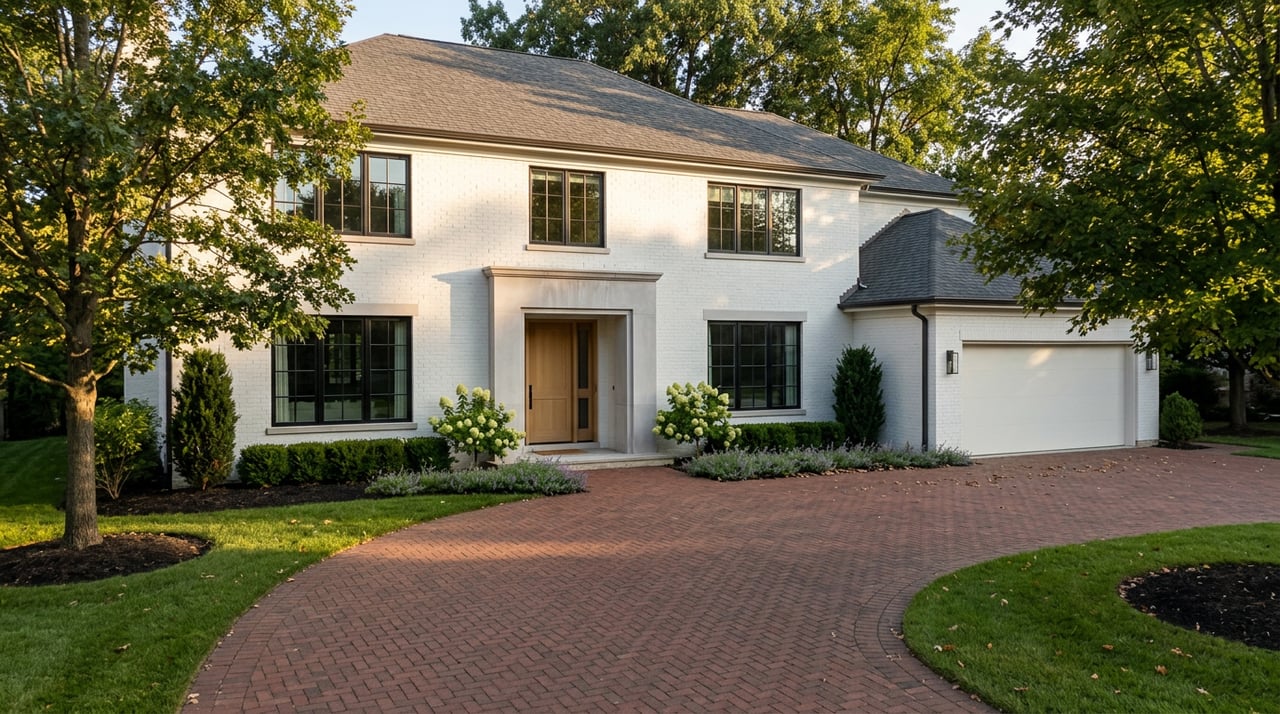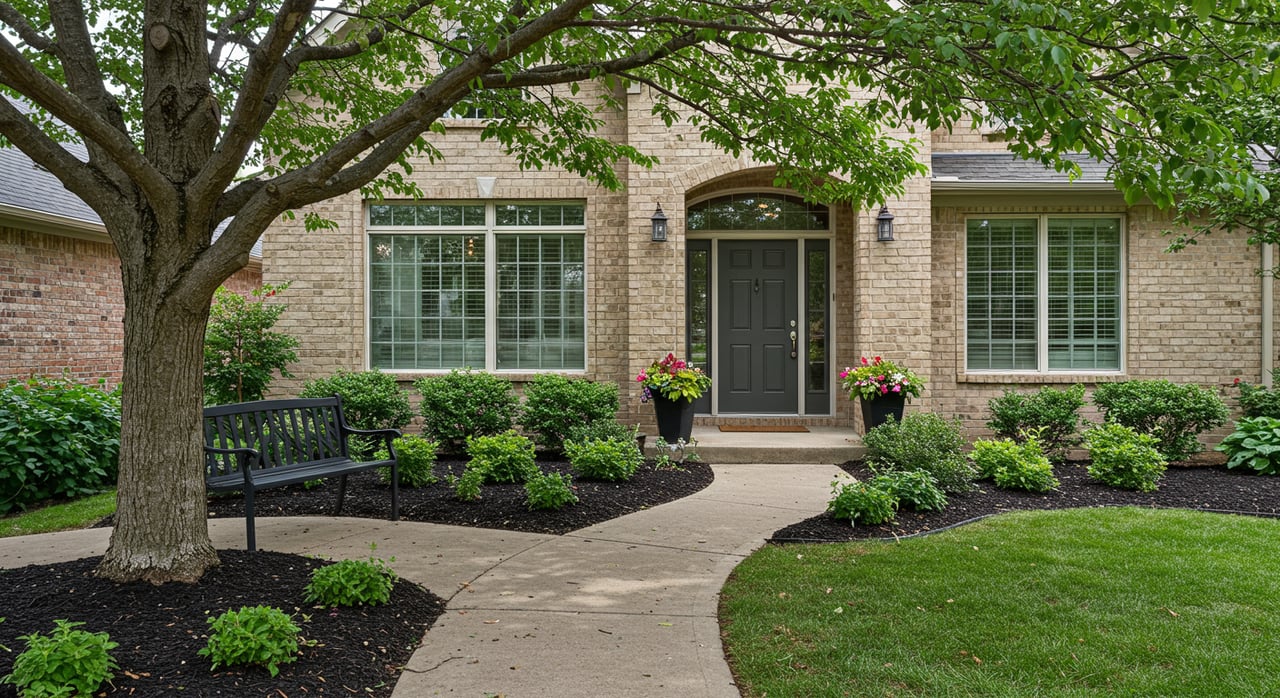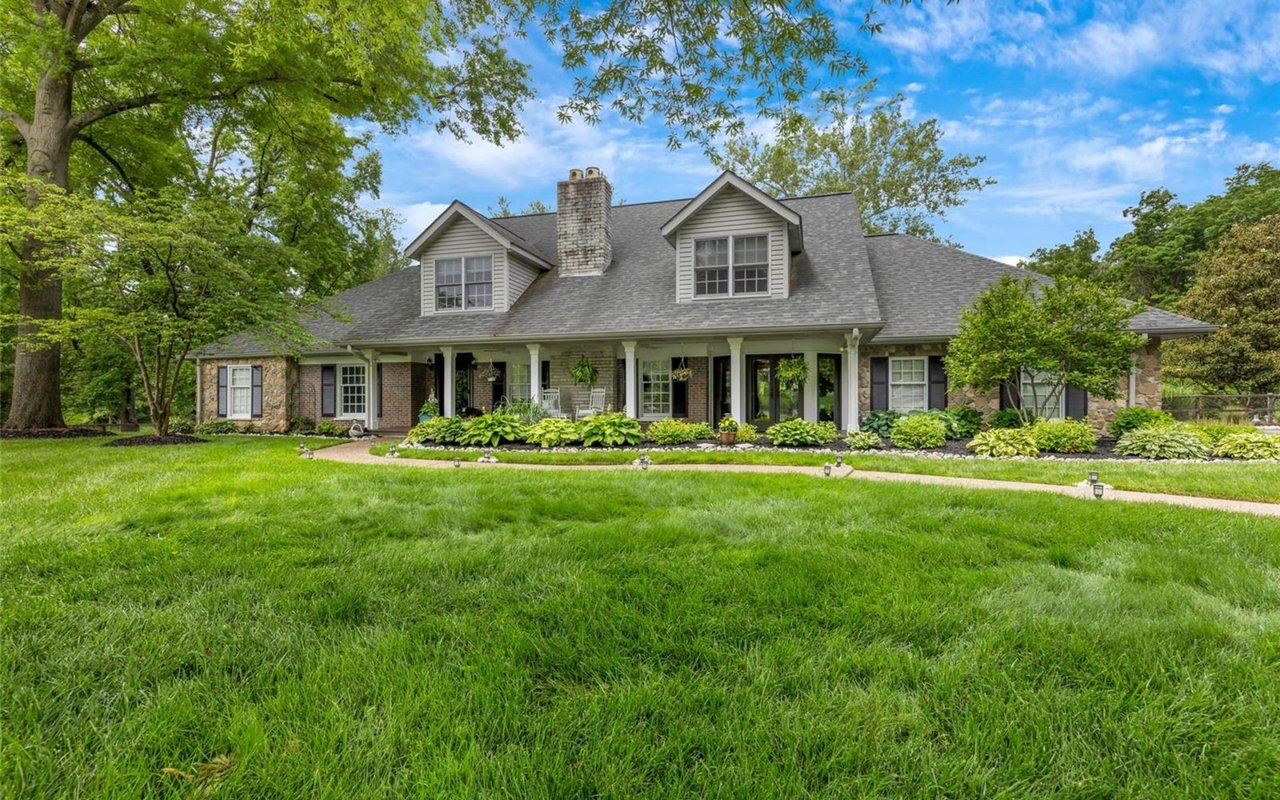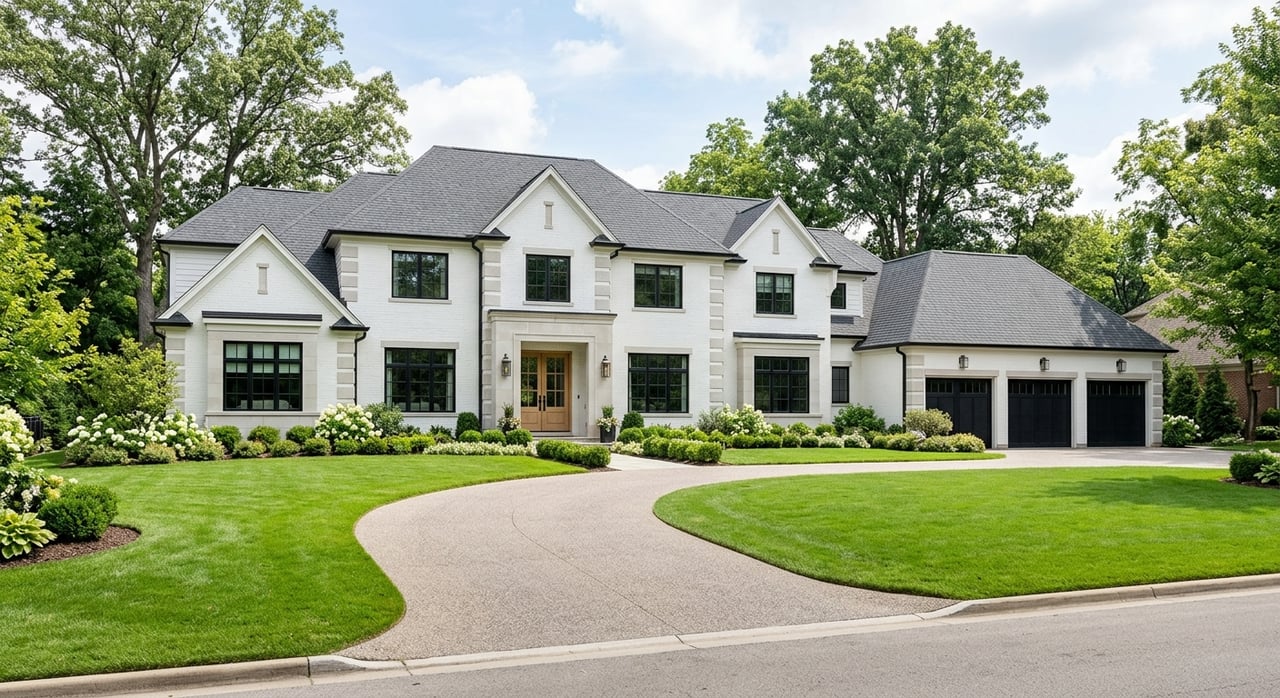
If you are preparing to sell an estate in Town and Country, pricing it is rarely as simple as checking a citywide median and adding a premium. This is a small, high-value market where lot size, privacy, access, updates, and presentation can shift buyer interest quickly. The good news is that with the right strategy, you can position your property to attract serious attention and support a strong result. Let’s dive in.
Town and Country pricing starts with context
Town and Country is not a high-volume market, and that matters when you are setting a price. The U.S. Census Bureau reports 11,619 residents, an owner-occupied rate of 86.5%, and a median value of owner-occupied homes of $928,500. In a market like this, pricing often depends on a small group of relevant comparable sales rather than broad averages.
Recent market headlines can look strong, but they should be handled carefully. Over the three months ending May 2026, Redfin reported a median sale price of $999,402, median days on market of 5, a sale-to-list ratio of 100.6%, and 45.3% of homes selling above list price. At the same time, only 32 homes sold in May 2026, so even a few high-end closings can swing the numbers.
That is why estate pricing in Town and Country should be property-specific. Your price should reflect your parcel, your location, your updates, and your buyer appeal, not just a citywide snapshot.
Why one acre matters so much
In Town and Country, land is not just background. It is a major part of the value story. The city’s comprehensive plan calls for preserving large-lot residential as the predominant land use, with one acre as the primary minimum residential lot size.
That planning framework shapes how buyers view an estate property. They are not only comparing bedroom counts and square footage. They are also judging whether the setting feels private, substantial, and true to the character of Town and Country.
The city’s greenspace guide and building code quick reference also add useful context. For lots of 1 acre or more, the city sets a minimum 75% green space standard and a maximum 13% floor area. For sellers, that means the value conversation often includes how the parcel lives, how open it feels, and how much usable outdoor space supports the home.
What buyers may notice on larger lots
When buyers evaluate a Town and Country estate, they often look beyond the house itself. They may focus on:
- Privacy from neighboring homes
- Depth of setback from the road
- Usable lawn and outdoor living space
- Overall estate feel and sense of arrival
- How the home sits on the parcel
A one-acre lot matters, but not every one-acre lot performs the same way. A parcel that feels tucked away and well-composed may compete differently than one with more road exposure or less functional outdoor space.
Location influences price and positioning
In Town and Country, location is not only about the address. It is also about how the property fits into the road network and daily routine. The city maintains about 100 lane miles, while certain major roads are handled by county or state agencies.
For sellers, this creates a practical value question. Some buyers will appreciate easier access to major routes, while others may place a premium on a deeper interior setting with less pass-through traffic nearby. Neither is automatically better, but each can attract a different buyer profile.
Access versus privacy
This tradeoff is one of the most important parts of estate positioning. A home with convenient access may appeal to buyers who want efficiency and connectivity. A home farther inside the community may stand out for its quiet setting and privacy.
The key is to price according to the home’s strengths instead of forcing it into a generic luxury bracket. If privacy is the headline feature, the marketing and price strategy should support that. If accessibility is a meaningful advantage, that should be presented clearly and confidently.
How to price when comps are limited
One of the biggest challenges in Town and Country is the small number of directly comparable sales. In a neighborhood with fewer transactions, it is common to see wide differences in lot utility, age, updates, architecture, and location characteristics. That makes pricing feel less formulaic and more strategic.
A strong valuation should weigh recent nearby sales, but it should also adjust for the features that matter most in this market. Lot utility, privacy, updates, presentation, and access often deserve more attention than raw square footage alone. This is especially true when one or two standout sales can distort headline medians.
A smarter way to think about price
Instead of asking, “What is the average price in Town and Country?” ask:
- How does my lot compare with recent sales?
- Does my setting feel more private or more exposed?
- Are my updates current and well-documented?
- Does the property show clearly online and in person?
- Will buyers see the home as move-in ready or as a project?
These questions help you move from broad market talk to a realistic price range tied to your actual competition.
Presentation can protect your pricing power
In a premium market, presentation is not optional. Buyers often form their first impression online, and estates need a clear visual story. According to NAR’s 2025 home staging report, 29% of agents said staging produced a 1% to 10% increase in the dollar value offered, and 49% said staging reduced time on market.
That same report found that photos, videos, and virtual tours matter to buyers. It also found that decluttering, cleaning, and curb appeal improvements were among the most common seller recommendations. In Town and Country, this supports a high-touch launch that makes scale, architecture, and grounds easy to understand at a glance.
Pre-listing steps that can support a premium result
Before your home goes live, focus on the basics that help buyers feel confident:
- Declutter key rooms and storage areas
- Deep clean interior spaces
- Improve curb appeal and entry presentation
- Use staging to clarify room size and function
- Invest in professional photography and video
- Organize records for major repairs and improvements
These steps do not change the home itself, but they can change how clearly buyers see its value.
Documented updates reduce friction
Luxury buyers often ask sharper due-diligence questions, especially when a home has had major work over time. Town and Country’s permit reference sheet shows that some common projects require municipal approval, including furnace, air-conditioning, and ductwork replacement, as well as structural window changes and certain siding work.
If you can document permitted improvements, system replacements, and regular maintenance, you may reduce uncertainty during negotiations. That can matter just as much as cosmetic updates. A polished home backed by organized records often feels easier and safer to buy.
Which updates matter most?
Not every improvement adds value in the same way. In this market, buyers tend to respond best when updates improve confidence, usability, and overall presentation. That may include mechanical replacements, exterior improvements, and interior refreshes that make the home feel well cared for.
The goal is not to over-renovate without a plan. The goal is to show that the property has been maintained thoughtfully and presented at a level that matches buyer expectations in Town and Country.
Off-market or full MLS exposure?
This is one of the most common estate seller questions, and the answer depends on your priorities. NAR states that sellers benefit from increased exposure through the MLS. It also explains that office exclusive listings are not publicly marketed, while delayed marketing listings waive or delay broad immediate exposure through IDX and syndication, with seller disclosures required.
For a Town and Country estate, this creates a real tradeoff. A private launch can offer confidentiality and control, but it also narrows the buyer pool. Full MLS exposure usually gives you broader reach and may create stronger competitive pressure, which is often important for price discovery.
When each approach may make sense
A quieter launch may fit if:
- Privacy is your top concern
- You want a more controlled introduction
- The property is highly unique and may benefit from curated outreach
A full-market launch may fit if:
- Your priority is maximum exposure
- You want the widest possible buyer pool
- You are aiming to create urgency and competition
- You want the market to help validate pricing
In most cases, this is not a one-size-fits-all decision. The right path depends on your comfort level, your timing, and how the home is likely to compete.
Position the estate before you price it
One of the biggest mistakes sellers make is setting a number before building the story. In Town and Country, your estate should be positioned around the features buyers actually value most. That may be privacy, grounds, architecture, accessibility, documented upgrades, or polished presentation.
Once those strengths are clear, pricing becomes easier to defend. Buyers are more likely to respond well when the asking price feels connected to a visible, well-presented value proposition. In a small luxury market, that clarity can make the difference between a fast, confident sale and a listing that needs repeated adjustments.
If you want a tailored strategy for your estate in Town and Country, Kim Jones offers a concierge-level approach with local insight, premium marketing, and hands-on guidance from pricing through closing.
FAQs
How important is a one-acre lot in Town and Country?
- A one-acre lot matters because Town and Country’s planning framework is built around large-lot residential, and buyers often place real value on privacy, open space, and an estate-like setting.
How should you price an estate in Town and Country when there are few comps?
- You should use recent nearby sales as a starting point, then adjust for lot utility, privacy, updates, access, and presentation because small sample sizes can make citywide medians less reliable.
Should a Town and Country estate be listed off-market first?
- An off-market approach can help preserve privacy, but it also limits exposure, so many sellers choose full MLS exposure when the goal is broad reach and better price discovery.
Which updates help support a stronger sale in Town and Country?
- Buyers often respond best to documented system replacements, permitted improvements, strong maintenance records, and presentation upgrades like decluttering, cleaning, staging, and curb appeal work.
Why does presentation matter so much for an estate listing in Town and Country?
- Presentation matters because buyers often start online, and professional staging, photography, video, and a clean visual story can help them quickly understand the home’s scale, condition, and appeal.