Living in Eureka, MO offers a blend of suburban convenience, outdoor lifestyle, and top-tier education within the Rockwood School District. Located in southwestern St. Louis County along Interstate 44 and Highway 109, Eureka features an active housing market with median prices in the low-to-mid $400,000s, sprawling city parks, connected trail systems, and direct access to Route 66 State Park.
Eureka Community Metric | Data & Local Profile | Lifestyle & Real Estate Impact |
|---|---|---|
Population & Demographics | Est. Pop: 13,277; Median Household Income: $108,394. | Established suburban base with a high 79.3% owner-occupancy rate. |
Housing Value Snapshot | Median Listing/Sale Price: $403,000 to $435,000. | Active, competitive single-family housing market in West St. Louis County. |
School District System | Rockwood School District (Eureka Quadrant Feeder). | LaSalle Springs Middle and Eureka High School drive strong resale equity. |
Parks & Outdoor Recreation | Flat Creek Trail, Route 66 State Park, Greensfelder Park. | Direct subdivision trail connections for hiking, biking, and outdoor sports. |
Explore active Eureka MLS listings, evaluate Rockwood School District feeder patterns, and analyze West County market pricing with Kim Jones.
If you want a suburb that feels connected to nature without giving up daily convenience, Eureka deserves a closer look. For many buyers and relocating households, the challenge is finding a place that offers room to breathe, practical commuting options, and a true sense of community. Eureka stands out for exactly that mix.
Understanding how the city lives day to day can help you decide whether it fits your next move. Explore St. Louis home buying strategies with Kim Jones.
In West St. Louis County, Eureka combines scenic foothill topography with well-maintained residential subdivisions and convenient highway access.
Eureka sits at the southwestern edge of St. Louis County, where a small-city setting meets access to the larger metropolitan area. The city has a population of approximately 13,277 residents and presents a small-town atmosphere supported by regional connectivity.
The housing landscape reflects a stable community foundation. Census data indicates a median household income of $108,394 and an owner-occupied housing rate of 79.3%. Together, those figures point to an established suburban market supported by long-term homeowners.
In Eureka, outdoor access is woven directly into how the city is laid out. Parks, trails, and nearby public lands form a major part of the city's identity. Amenities include the Eureka Dog Park, Eureka Mountain Bike Park, Eureka Community Center, Eureka Soccer Park, Flat Creek Trail, and Forby Road Nature Trail.
Flat Creek Trail runs from Legion Park to Kircher Park, connects directly to Route 66 State Park, and ties into the broader Meramec Greenway trail system. This network supports both short local walks and extended cycling routes. Additionally, Forby Road Nature Trail provides a quarter-mile path along Clifty Creek for quiet nature walks.
In several parts of Eureka, city parks tie directly into residential subdivisions. For example, Drewel Park is located inside the Shaws Garden subdivision with trail connections to Legion Park. Bowlby Park sits in Augustine Heights, and Kircher Park provides access to Route 66 State Park near I-44.
Beyond municipal borders, Eureka is adjacent to Route 66 State Park and Greensfelder County Park. Nearby natural destinations include Shaw Nature Reserve, Forest 44 Conservation Area, Lone Elk County Park, Rockwoods Range, Rockwoods Reservation, and West Tyson County Park.
Unlike flat suburban layouts, Eureka features dynamic Ozark-foothill terrain, including the Meramec River valley, steep ridge slopes, and winding roads that follow natural contours, giving subdivisions a scenic and distinctive character.
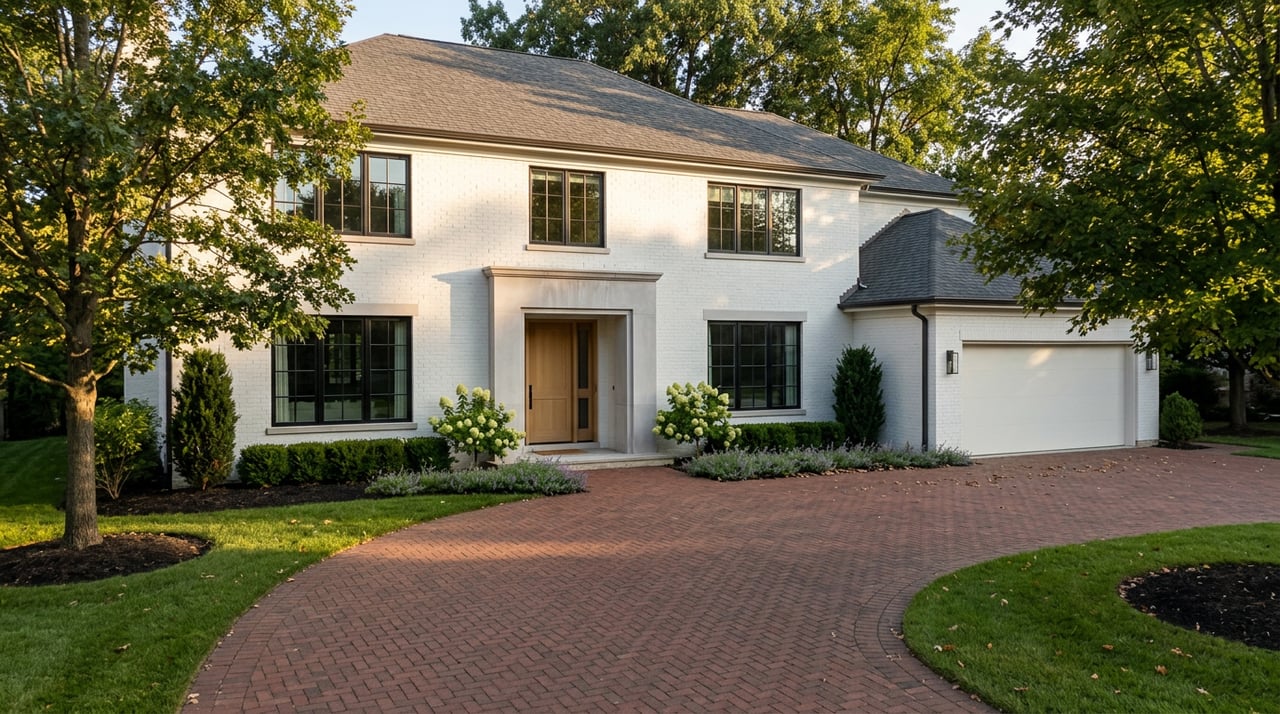
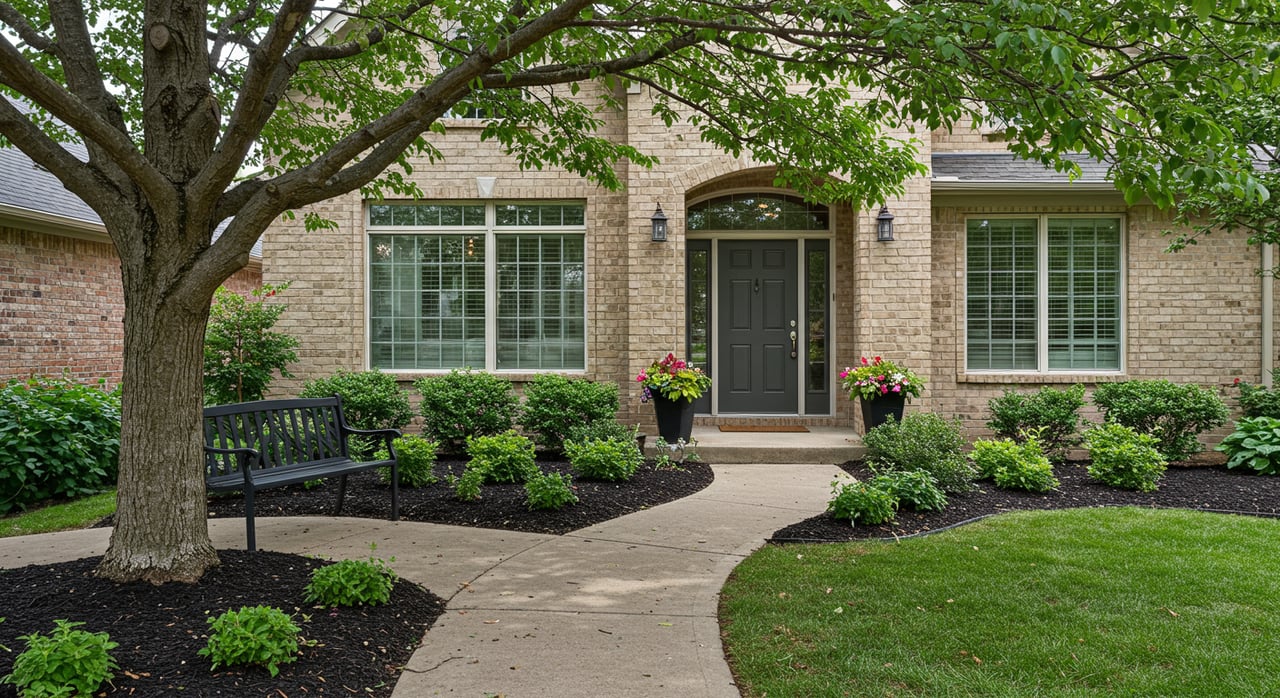
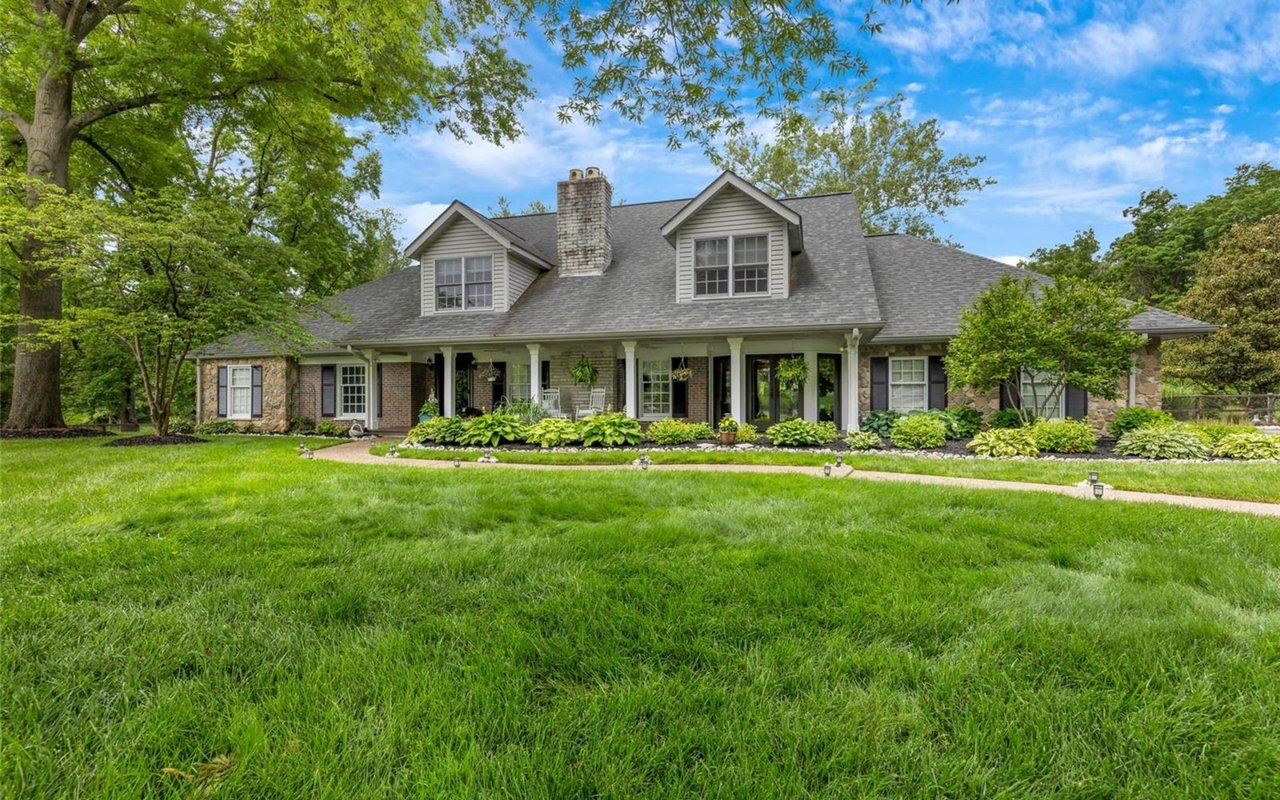
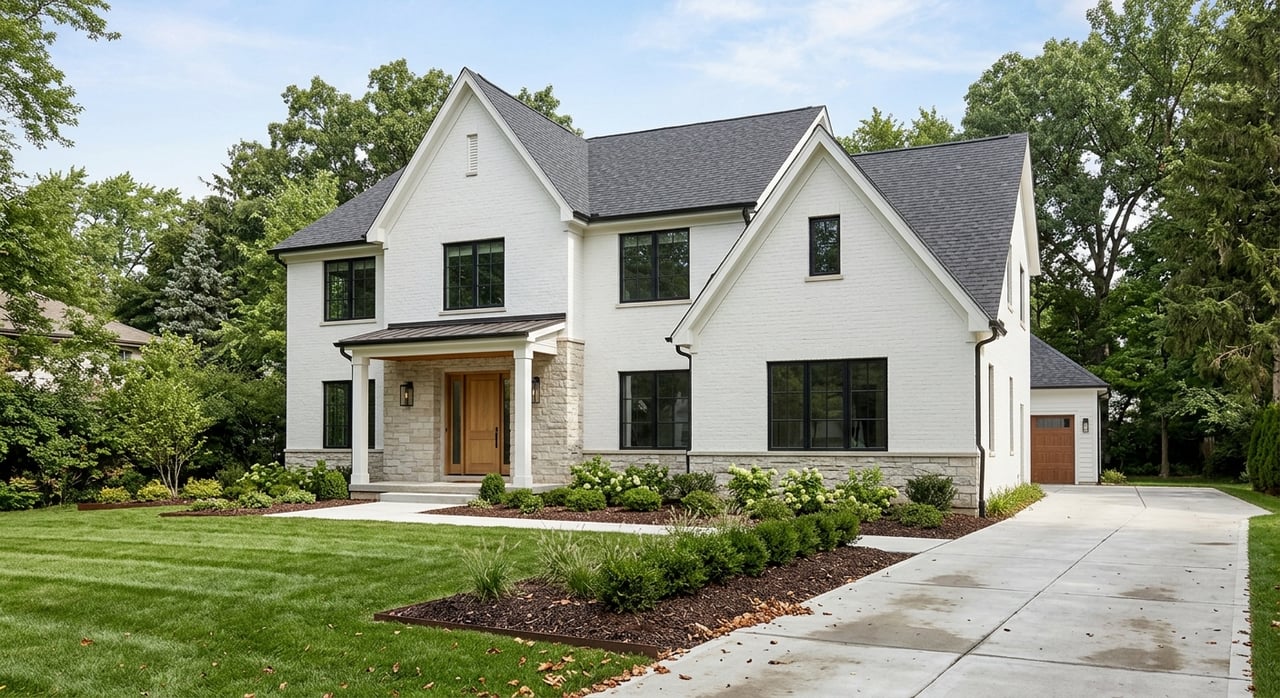
Single-family detached homes represent the primary land use in Eureka. However, the market also features single-family attached townhomes, duplexes, multifamily units, and senior housing developments.
Eureka is defined by distinct residential enclaves, including The Legends (gated golf course living), Mirasol, Augustine Heights, Shaws Garden, and the historic Old Town Commercial District along Highway W.
Current market metrics place Eureka home values in the low-to-mid $400,000 range, with median list and sale prices averaging between $403,000 and $435,000. Homes sell rapidly, often pending in 8 to 27 days depending on seasonal inventory.
Eureka is located within the award-winning Rockwood School District. The Eureka Quadrant includes Blevins, Eureka, Geggie, and Ridge Meadows elementary schools feeding into LaSalle Springs Middle School and Eureka High School.
Anchored by Interstate 44 and Highway 109, Eureka offers an average commute time of 27.0 minutes. Highway 109 connects north directly to Chesterfield Valley within 20 minutes.
Eureka features local coffee shops, antique stores, and neighborhood restaurants in Old Town, while hosting major regional destinations like Six Flags St. Louis and the Timbers of Eureka community center.
- School District: Rockwood School District (Eureka Quadrant).
- Chesterfield Buying: Read our Chesterfield MO Home Buying Guide.
- Chesterfield Neighborhoods: Read our Chesterfield Neighborhood Directory.
- Contingency Advisory: Read our Real Estate Contingencies Guide.
Evaluating subdivision nuances, Rockwood school boundary lines, and property pricing in Eureka requires experienced representation. Kim Jones brings 19+ years of St. Louis real estate expertise to help buyers and sellers achieve their goals.
For more local market resources, explore our St. Louis Home Buying Guide, read our Chesterfield Buying Guide, or check our Contingencies Overview.
Source Notes: U.S. Census Bureau QuickFacts, City of Eureka Comprehensive Plan & Trail Plan, Rockwood School District records, and MARIS MLS market data verified as of August 2026.
Kim Jones is a premier St. Louis County real estate professional with ReeceNichols Real Estate, representing buyers and sellers across Chesterfield, Wildwood, Town and Country, Ballwin, and Eureka for over 19 years. Ranked among the top 100 agents in St. Louis, Kim delivers unmatched market expertise and dedicated client representation. Contact Kim Jones today to explore Eureka real estate.
Daily life in Eureka centers on a blend of suburban convenience and outdoor access, with parks, connected trails, local shops, community centers, and quick access to I-44 and Highway 109.
Eureka is primarily a single-family residential market, featuring detached single-family builds, luxury golf course estates, attached townhomes, and rural acreage properties.
Recent market snapshots place Eureka home prices in the low-to-mid $400,000 range, with median list and sale prices averaging between $403,000 and $435,000.
Eureka maintains an active and competitive housing market, with well-pressed homes going under contract in 8 to 27 days depending on seasonal inventory levels.
Eureka features Flat Creek Trail, Forby Road Nature Trail, Route 66 State Park, Greensfelder County Park, the Eureka Dog Park, and Eureka Mountain Bike Park.