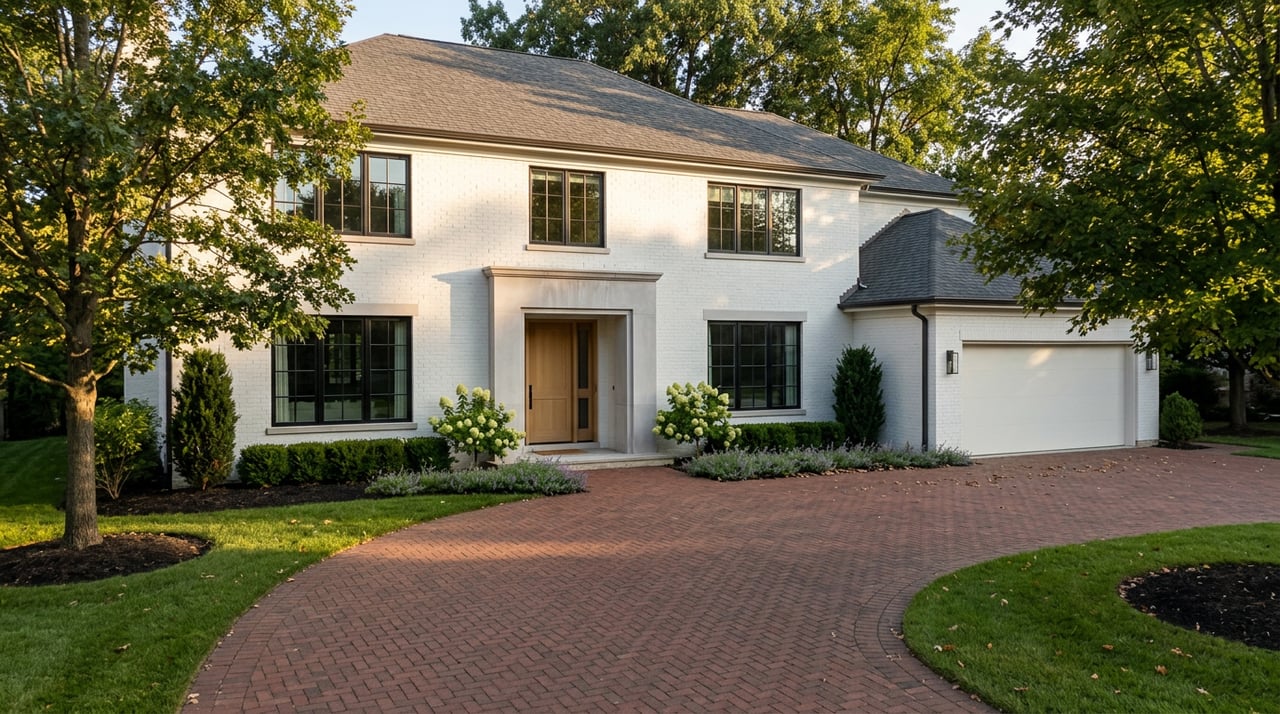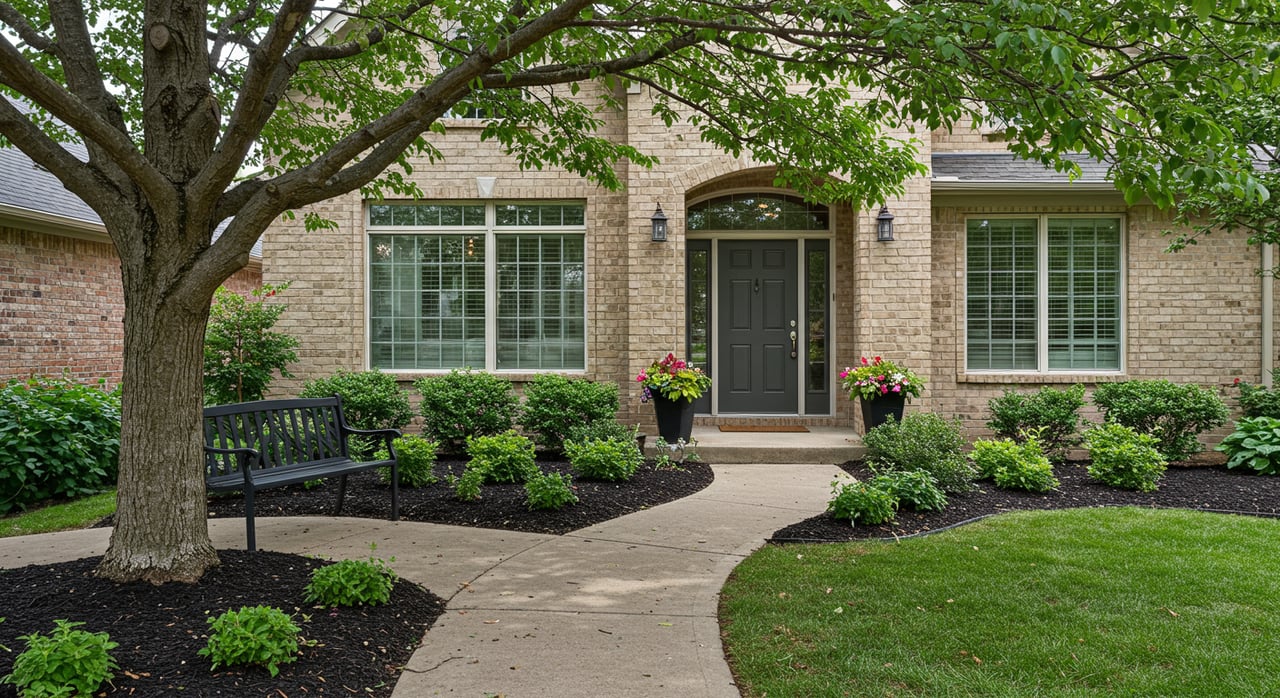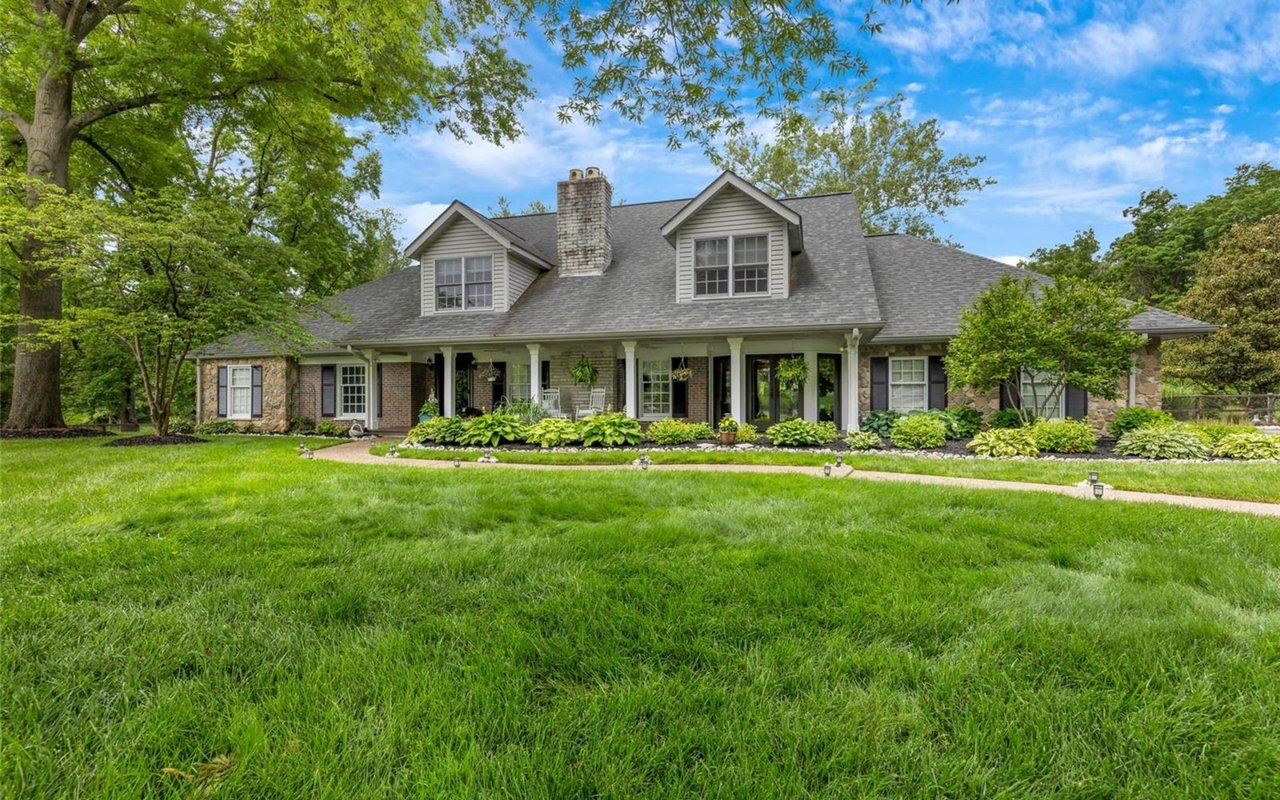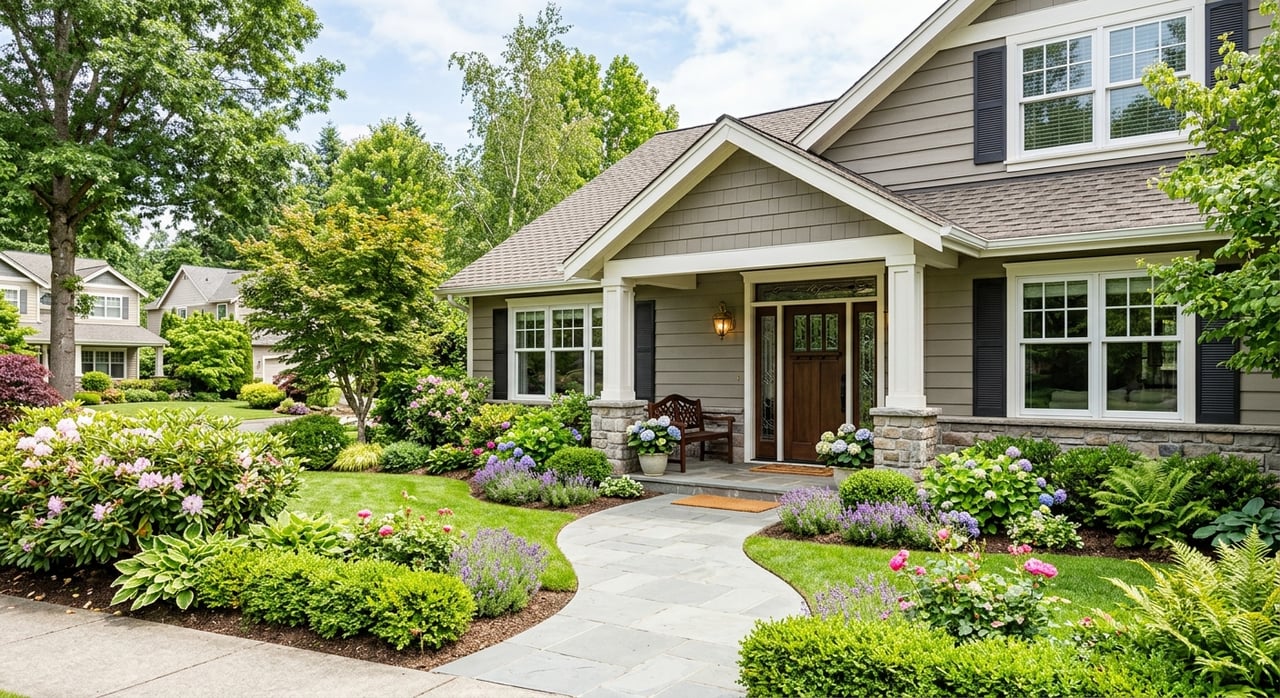
Choosing between a brand-new home and an established one is rarely just about age. In St. Peters and Cottleville, the decision often comes down to how you want to live, what kind of maintenance you want to take on, and how much neighborhood character matters to you. If you are weighing both options, this guide will help you compare the tradeoffs with more confidence. Let’s dive in.
Why this choice matters locally
St. Peters and Cottleville are both largely owner-occupied suburban communities, with owner-occupied housing rates of 79.0% and 80.6%, respectively. That means many buyers here are comparing neighborhoods where long-term homeownership is common and community upkeep can play a visible role in day-to-day living. Even so, the feel of new construction versus established homes can differ quite a bit from one subdivision to the next.
St. Peters is the larger city, while Cottleville is smaller and has a more visible focus on Old Town preservation. In practical terms, that can affect what you see in the streetscape, how exterior changes are reviewed in certain areas, and how much variety you may find from one home to another. For buyers, local context matters just as much as square footage.
What new construction offers
New construction often appeals to buyers who want a cleaner starting point. In both St. Peters and Cottleville, newer homes are built to modern code packages, which gives many buyers peace of mind about current building standards and baseline systems. That does not mean every new home has the same level of finishes, but it does mean the underlying code framework is current.
In St. Peters, the city cites the 2021 IRC, IECC, and related codes. Cottleville has adopted IRC 2021, IBC 2021, NEC 2020, IMC 2021, IPC 2021, and IPMC 2021. For you as a buyer, that usually translates into newer systems, a more contemporary baseline, and fewer immediate update projects after move-in.
More predictability in layout
Newer subdivisions in these communities tend to feel more uniform and more code-driven than older neighborhoods. In St. Peters, general single-family zoning requires at least 7,000 square feet, but plats approved after January 1, 2001 must be at least 12,000 square feet. In Cottleville, recent subdivision materials show single-family layouts with a 10,000-square-foot minimum lot area, 80-foot minimum width, and average lot sizes around 13,559 square feet.
That does not automatically mean larger or smaller lots will define your experience. It does mean you are more likely to see a consistent pattern in setbacks, streetscape, and overall neighborhood design. If you like order, visual consistency, and fewer surprises from house to house, new construction may feel more comfortable.
Lower immediate maintenance
One of the biggest reasons buyers choose new homes is to avoid repairs and renovations right away. Research cited in the report shows buyers often prefer new homes because they want to avoid plumbing or electrical issues, want more customization, or value energy efficiency and community amenities. That preference lines up well with what many buyers expect in suburban new-build communities.
Still, low maintenance does not mean no maintenance. In St. Peters, residential subdivision planning includes street-tree requirements, generally one tree for every 40 feet of road frontage with at least one tree per lot. That helps new neighborhoods look polished early on, but landscaping may still take time to mature.
What established homes can offer
Established homes often win buyers over with variety and personality. Older neighborhoods may have more variation in lot size, frontage, setbacks, and home style, which can create a less uniform feel. If you value mature landscaping, a more settled streetscape, or a neighborhood that feels less standardized, an established home may be the better fit.
In St. Peters, older subdivisions may fall under the earlier 7,000-square-foot standard rather than the post-2001 12,000-square-foot standard. In Cottleville, older areas can come with a distinct sense of place, especially near Old Town. That added character can be a major draw for buyers who want something less cookie-cutter.
More flexibility from neighborhood to neighborhood
One common misconception is that all suburban neighborhoods come with the same HOA structure or maintenance expectations. In reality, that is highly subdivision-specific in both St. Peters and Cottleville. St. Peters even maintains a subdivision trustee list that notes when a neighborhood has no association at all.
That matters because some established neighborhoods may offer fewer HOA-style constraints. At the same time, less structure can mean fewer shared services or less consistency in how common elements are handled. If flexibility is important to you, it is worth looking closely at the individual subdivision instead of making assumptions based on the city name.
Character can support resale appeal
Established homes can also be strong resale contenders when they offer features buyers notice right away. Research in the report notes that buyers of previously owned homes often cite better overall value, better price, charm, character, and lot size. It also notes that curb appeal is highly influential at sale time.
Locally, that suggests a well-kept established home with a strong lot, mature trees, or a distinctive setting can compete very well. If you are buying with future resale in mind, these qualities deserve attention, especially in neighborhoods where homes do not all look the same.
Key differences to compare
Before you decide, it helps to look at the tradeoffs side by side.
| Factor | New Construction | Established Homes |
|---|---|---|
| Code baseline | Built to current adopted codes in St. Peters and Cottleville | May reflect older construction standards |
| Neighborhood feel | More uniform, planned, and consistent | More variation in layout, setbacks, and style |
| Maintenance | Usually lower at move-in | May come with a longer to-do list |
| Lot and streetscape | Often shaped by current subdivision standards | Can vary more from home to home |
| HOA structure | Must be verified by subdivision | Must be verified by subdivision |
| Character | Often cleaner and more standardized | Often more charm and mature landscape |
HOA and street maintenance are not one-size-fits-all
This is one of the most important details for buyers in St. Peters and Cottleville. HOA dues, common-ground obligations, and street maintenance should always be confirmed subdivision by subdivision. They should never be assumed based only on the city.
In St. Charles County, new subdivision streets may be public or private. Private streets are maintained by the property owners of the subdivision, and until public streets are accepted, the developer is responsible for repairs and snow removal. That means two neighborhoods with similar-looking homes may come with very different long-term expectations.
If you are comparing a new build with an older home, ask questions like:
- Are the streets public or private?
- Is there an HOA or subdivision trustee structure?
- What do dues cover, if any?
- Who handles common-ground upkeep?
- Are there exterior rules or approval requirements?
Cottleville’s historic review can affect older homes
If you are considering an established home in or near Cottleville’s Old Town Historic District, exterior changes may involve an added review process. The city’s historic district commission oversees certificate-of-appropriateness review for changes affecting a site or structure. That can include construction, demolition, color, roofing materials, and earth-disturbing work.
For some buyers, this added oversight is a positive because it helps preserve the area’s appearance and identity. For others, it may feel like an extra step when planning future updates. Either way, it is something to understand before you buy.
Property upkeep expectations matter in both cities
Whether you choose a new or established home, local maintenance standards still matter. St. Peters says its property-maintenance code is designed to protect health, safety, and welfare, and the city conducts annual exterior inspections of all properties. Cottleville’s code enforcement addresses issues such as tall grass, weeds, peeling paint, and missing windows or siding.
This matters because upkeep is not only a personal preference. It can shape how a neighborhood looks over time and how much maintenance you may need to plan for as an owner. Newer homes may start with a polished look, but older homes can hold their appeal very well when maintained consistently.
How to decide which is right for you
In most cases, this choice comes down to control versus convenience. New construction often gives you a more predictable starting point, current-code systems, and less immediate maintenance. Established homes often give you more visual variety, neighborhood character, and in some cases fewer HOA-style constraints.
A simple way to think about it is this:
New construction may fit you best if you want:
- A move-in-ready feel with fewer immediate repair concerns
- A more uniform neighborhood layout
- Current code compliance and newer systems
- A cleaner slate for your next chapter
Established homes may fit you best if you want:
- More architectural or neighborhood character
- Mature landscaping or a more settled streetscape
- More variation in lot layout and setbacks
- Potentially stronger value based on charm, lot, or location within the neighborhood
A smart local strategy for buyers
In St. Peters and Cottleville, there is no universal winner between new construction and established homes. The better choice is the one that matches your lifestyle, your tolerance for maintenance, and your priorities around neighborhood feel. The smartest buyers compare not just the house, but also the subdivision structure, lot pattern, exterior rules, and long-term upkeep expectations.
That kind of local comparison can save you from surprises and help you buy with more clarity. If you want a polished, concierge-level perspective on how specific neighborhoods and subdivisions stack up, Kim Jones can help you compare your options with confidence.
FAQs
What is the main difference between new construction and established homes in St. Peters and Cottleville?
- New construction generally offers current-code compliance, more uniform neighborhood design, and lower immediate maintenance, while established homes often offer more variation, character, and mature landscaping.
Do all neighborhoods in St. Peters and Cottleville have HOAs?
- No. HOA structure is neighborhood-specific, and some St. Peters subdivisions are specifically identified as having no association.
Are lot sizes larger in new construction neighborhoods in St. Peters and Cottleville?
- Not always, but newer subdivisions tend to follow more standardized minimum lot and width requirements, while older neighborhoods may show more variation in lot size and layout.
What should buyers ask about subdivision streets in St. Peters and Cottleville?
- Buyers should ask whether streets are public or private, who handles repairs and snow removal, and whether owners have any shared maintenance obligations.
Do older homes in Cottleville ever have special exterior review requirements?
- Yes. Homes in the Old Town Historic District may be subject to certificate-of-appropriateness review for certain exterior changes, including roofing, color, construction, demolition, and earth-disturbing work.
Are property maintenance standards enforced in St. Peters and Cottleville?
- Yes. St. Peters conducts annual exterior inspections, and Cottleville code enforcement addresses issues such as weeds, tall grass, peeling paint, and missing windows or siding.